A quotation is more than a unit price. We first review material, dimensions, tolerances, quantity, finish, assembly and packaging requirements so missing information is found before production.
About KingsForm
Turning design requirements into metal parts that can be made consistently.
KingsForm Metalworks specializes in custom metal components made to customer drawings. Rather than focusing on standard inventory, we organize material, process, prototyping, production, inspection and delivery around each customer’s drawings, samples, assembly interfaces and application requirements.
From individual brackets, bent tube parts and sheet metal components to welded frames, structural assemblies and integrated sourcing, we help OEM customers turn design intent into parts that are manufacturable, inspectable and repeatable.
Who We Are
More than a single process—we focus on the result of the complete part.
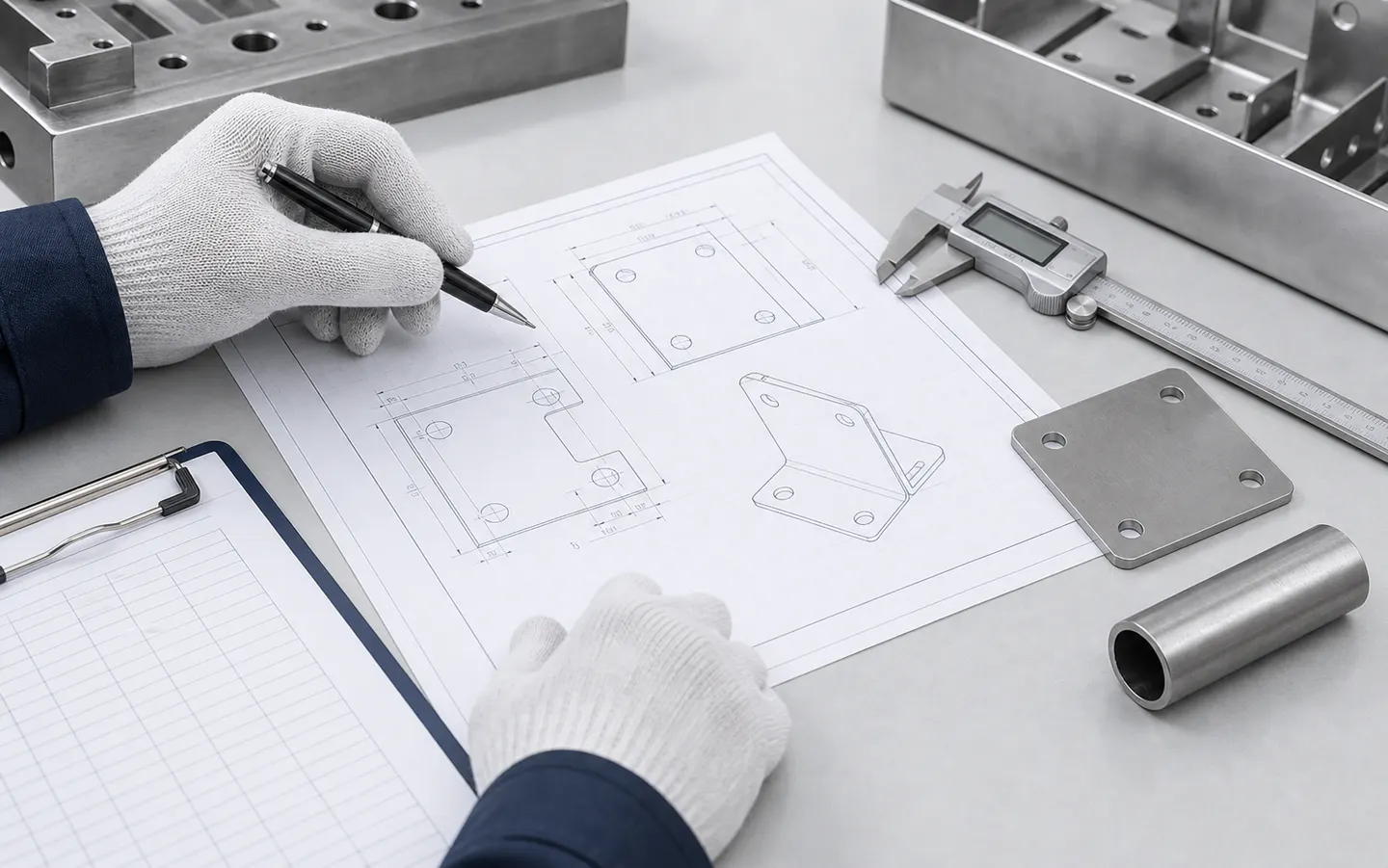
The challenge in custom metal parts is rarely whether one machine can perform one operation. It is whether different processes can work together under one controlled set of requirements.
Material grade, blank preparation, bend springback, hole relationships, weld distortion, finishing allowance, assembly clearance and packaging protection can all affect the final result. Our role is to identify these relationships early and translate them into requirements that production can execute, quality teams can inspect and future orders can repeat.
We are best suited for projects that require:- Custom production from 2D drawings, 3D models, samples or product concepts;
- Multiple processes such as tube work, sheet metal, stamping, welding, finishing or assembly;
- Prototype validation, small-batch introduction and transition to repeat production;
- Consistent dimensions, protected finishes, defined packaging and repeat replenishment;
- A supplier that identifies drawing risks and provides practical manufacturing feedback.
Our Operating Principles
Clear inputs, approvals and handoffs for every project.
Final inspection can detect problems, but it cannot replace a stable process. First-article approval, fixtures, process parameters and inspection points work together to create consistency.
Drawing revisions, material substitutions, process adjustments and prototype changes are documented and confirmed before implementation.
The earlier a question is raised, the less it costs to solve. We confirm critical requirements through quotation, prototyping, production and shipment.
Project requirements do not end after the first shipment. Approved revisions, inspection priorities, packaging methods and order requirements are retained to support repeat production.
How We Work
From customer information to prototype and repeat production.
Each stage has a defined input, review scope and approval result. This helps expose issues while they are still inexpensive to solve and reduces information loss between quotation, engineering, production and inspection.
- 01Project Input
The customer provides 2D/3D files, sample photos, estimated quantity, application conditions, assembly interfaces and other special requirements.
- 02Drawing & Requirement Review
We confirm revision, units, material, tolerances, critical dimensions, joining method, finish and packaging requirements, and identify missing information.
- 03DFM & Quotation
We evaluate manufacturability, process routing, fixture needs, inspection method and major risks, and provide practical improvement suggestions where necessary.
- 04Prototype Production
Prototypes are produced to the reviewed requirements to verify structure, dimensions, fit, appearance, function and packaging protection.
- 05Sample Approval
Customer feedback is recorded, and changes, final drawing revision, critical dimensions and acceptance criteria are confirmed.
- 06Production Release
Approved drawings, process routing, fixtures, inspection priorities, sample standards and packaging requirements are released to production.
- 07Production & Quality Control
First-article inspection, in-process checks, final inspection and nonconformance handling control dimensions, appearance, fit and project-specific requirements.
- 08Delivery & Repeat Orders
Before shipment, parts, quantity, labels, packaging and documents are reconciled. Repeat orders are reviewed against retained project requirements.
Engineering Support
Engineering begins before production does.
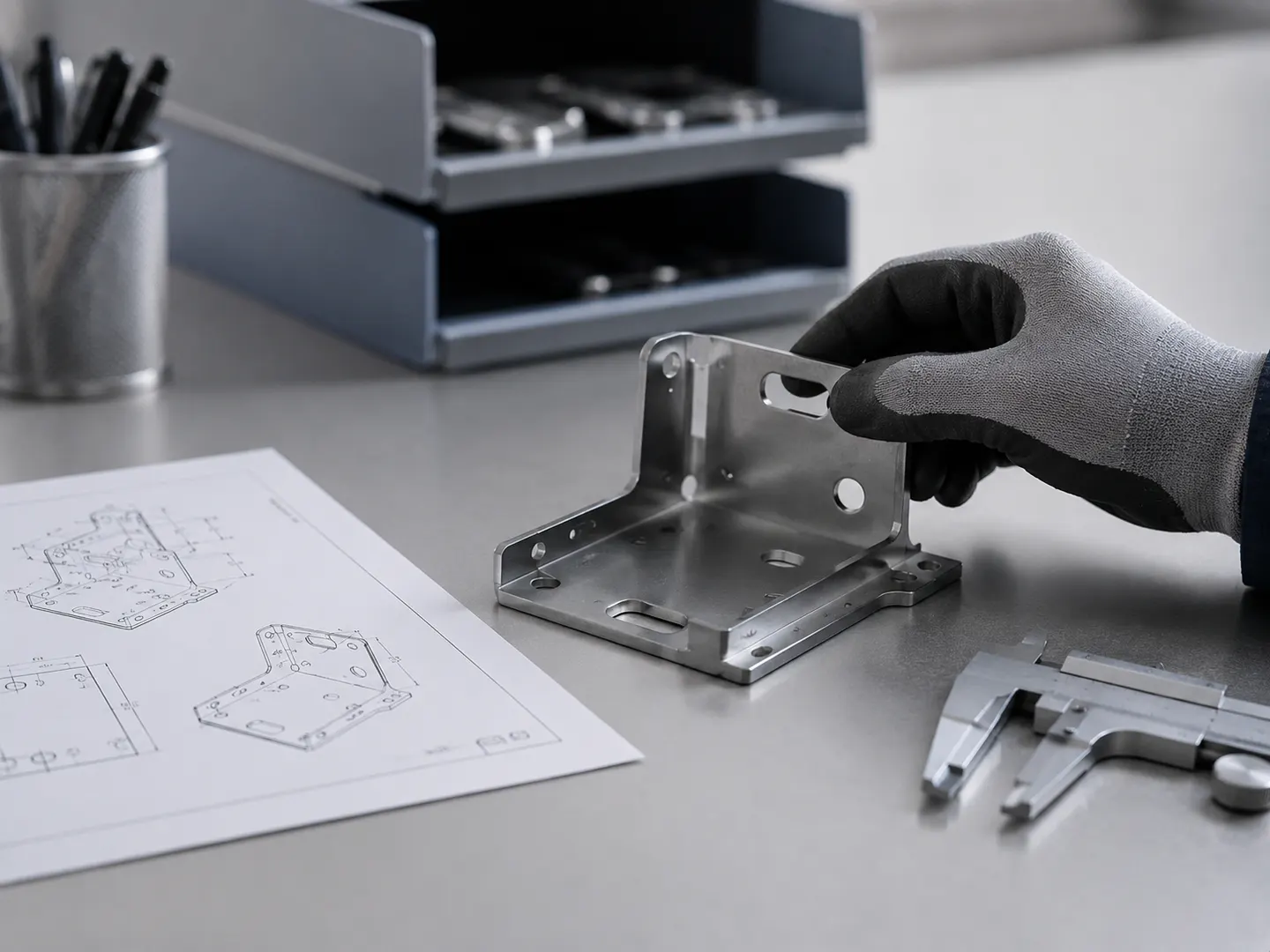
The purpose of engineering support is not to redesign the customer’s product. It is to translate design intent into clearer manufacturing conditions and identify issues that may affect cost, quality or lead time before production begins.
Manufacturing Scope
Processes selected around the part—not the other way around.
Different parts require different production routes. We combine suitable processes according to material, geometry, volume, tolerance, finish and assembly requirements.
Tube cutting, bending, reducing, expanding, punching, flattening, end forming and welded tube structures.
Laser cutting, punching, bending, flanging, hardware insertion, welding and enclosure fabrication.
Mounting plates, links, brackets, covers and formed parts suited to tooling-based production.
Frames, bases, support structures and welded assemblies made from multiple metal components.
Project-based evaluation of powder coating, plating, black oxide, polishing, corrosion protection, fasteners, plastic parts and other complementary components.
Inside the Workflow
An order moves through a connected manufacturing workflow.
Machines show what can be done. Workflow control shows how it can be done consistently. From incoming material to final release, each area carries a defined control responsibility.
Built-in Consistency
Quality cannot be added at final inspection.
Consistent results come from early confirmation, process control and clear standards. Final inspection is the last verification—not a substitute for control earlier in the process.
Confirm grade, dimensions, surface condition, quantity and batch information, with material documentation reviewed where required.
Before the production run continues, verify critical dimensions, hole locations, angles, fit, weld condition and appearance requirements.
Set project-appropriate checks through cutting, bending, punching, welding, finishing and assembly.
For appearance, weld, fit or packing requirements that cannot be fully expressed by dimensions alone, use approved samples, photos or written criteria as references.
Inspect dimensions, appearance, function, quantity and complementary components against the approved revision, project requirements and sampling plan.
Verify scratch protection, corrosion prevention, separation, securing, labels, shipping marks, quantity and shipment documents so conforming parts remain protected in transit.
When a nonconformance is found, affected parts are contained, the scope is reviewed and disposition is evaluated. Causes and corrective actions are documented where necessary to prevent recurrence.
Project Visibility
Clear production references and controlled project changes.
Many problems in custom manufacturing do not come from process capability. They come from incomplete information, mixed revisions or approvals that fail to reach the next stage. We therefore treat communication and document control as part of manufacturing itself.
RFQ Clarification
Identify missing conditions, available options and customer decisions during RFQ to reduce later changes in price or lead time.
Drawing Revision Identification
Identify the drawing name, revision or date in use so obsolete information does not enter prototyping or production.
Prototype Feedback Loop
Convert customer feedback into specific actions and confirm whether changes affect drawings, process, inspection or packaging.
Production Baseline
Before production, confirm final drawings, prototype status, critical dimensions, finish requirements, packing method and required documentation.
Repeat-Order Review
For repeat orders, review quantity, revision, lead time and any new changes rather than automatically relying on outdated requirements.
Who We Work With
Built for teams that depend on reliable outsourced manufacturing.
We support B2B projects that require drawing-based production, multi-process coordination and repeat supply. Whether the customer is responsible for product design, equipment manufacturing or global sourcing, the objective is the same: make outsourced parts easier to approve, assemble and reorder.
Brackets, tube structures, sheet metal parts, bases and welded assemblies for equipment, machinery and tools.
Turn proprietary product designs into prototypes, small batches and repeat production parts.
Manufacturing support for design validation, DFM, prototype iteration and production introduction.
Coordinate multiple metal parts, connectors and structural assemblies around system-level requirements.
Support defined specifications, standardized packing, label management and repeat replenishment.
Provide clear quotations, project follow-up, documentation support and controlled delivery.
What We Believe
Good manufacturing starts before production and continues beyond delivery.
- 01
Engineering review does not add bureaucracy. It reduces rework, misunderstanding and avoidable cost.
- 02
The real test is not how good one prototype looks, but whether later batches can meet the same requirements.
- 03
Quality comes from clear criteria, controlled processes and timely correction—not final sampling alone.
- 04
A supplier should raise manufacturing questions early, not explain them after production fails.
- 05
Long-term cooperation depends on transparent communication, reliable execution and consistency from batch to batch.
Working With Us
Questions worth confirming before a project begins.
These answers cover the most common questions at project kickoff. More information about materials, processes, quality, packaging and orders is available in the full FAQ.
View All FAQ →What information should I provide for a quotation?
We recommend providing 2D drawings and 3D models together with material, finish, estimated quantity, critical tolerances, service conditions, assembly requirements and target timing. Samples or photos can also be reviewed initially, but dimensions, material and functional details may still be required.
How are drawings protected, and can you sign an NDA?
Project files are used only for review, quotation and approved production, with internal access limited according to project needs. For sensitive projects, we can review and sign a mutually agreed NDA before complete information is shared.
Can you support prototypes and small batches?
Yes. Prototypes are used to verify structure, dimensions, fit, appearance and the manufacturing route. After approval, the project can move into a pilot batch or full production. Minimum order quantity depends on material, process, tooling, finishing and sourcing conditions.
Can you provide DFM feedback and source complementary components?
We can provide manufacturing feedback on material, geometry, tolerances, welding, assembly and process routing. We can also evaluate the sourcing and assembly of fasteners, plastic parts, casters, bushings or other complementary components. Any change affecting design or function is confirmed before implementation.
Which quality and inspection documents are available?
Depending on the project, first-article records, dimensional inspection reports, material certificates, finishing documents, sample approval records, packing requirements and other customer-specified documents can be provided or evaluated. Document type, format, sampling scope and submission timing should be agreed during quotation or prototyping.
How is lead time determined?
Lead time depends on material sourcing, process complexity, fixtures or tooling, prototype approval, finishing, order quantity and documentation requirements. A stage-based schedule is provided after review. Changes to drawings, quantity or requirements may require the timing to be reassessed.
Start With an Engineering Review
Clarify the requirements first. Then build the part right.
Send drawings, 3D models, sample photos, estimated quantity and application requirements. We will first review material, process routing, key risks, inspection priorities and any information still required before moving into quotation or prototyping.
Send Drawings for QuoteContact Us →PDF, DWG, DXF, STEP, STP, IGES and common image formats are welcome.